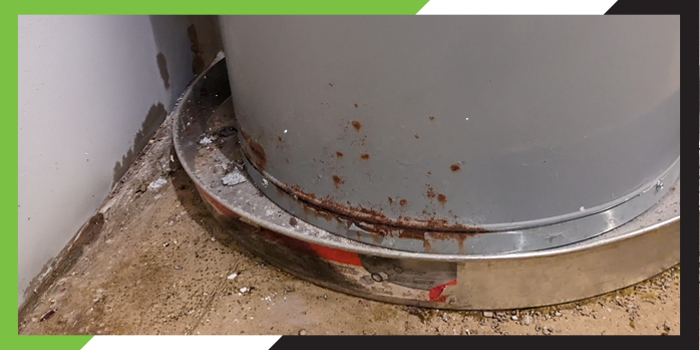
Water heaters don’t usually fail without warning. In fact, most homeowners will never even recognize…

Pre-Drywall Inspection Checklist (Jacksonville, FL): What You Want Documented Before Walls Go Up
A pre-drywall inspection is often the most valuable phase inspection for a new build because the home’s framing and rough-in systems are fully visible. This checklist covers what you want documented before insulation and drywall—so issues can be corrected while they’re still accessible.
Quick links:
New Construction Inspections |
11-Month Warranty |
What You Should Know |
FAQs |
Schedule
Why Pre-Drywall Is the “Make-or-Break” Inspection Phase
After drywall goes up, many conditions become hidden. Pre-drywall is when you can visually confirm workmanship and installation details
for framing, electrical, plumbing, HVAC, and water management—before finishes cover everything.
If you haven’t read our overview of phase inspections yet, start here:
New Home Construction Inspections in Jacksonville.
For general inspection expectations, visit
What You Should Know and the
FAQs.
Want to align with your build schedule? Schedule your pre-drywall inspection here.
Pre-Drywall Inspection Checklist
Every home is different, but these categories represent the most common “high-value” items to document before insulation and drywall.
Think of this as your practical checklist—what you want verified and photographed while it’s visible.
1) Framing & Structure (Visible Workmanship)
- Wall and ceiling framing alignment: obvious warping, missing supports, or concerning modifications
- Connections: visible fasteners, brackets, and tie-ins where accessible
- Openings: headers and framing around windows/doors appear properly supported
- Stair framing (if applicable): stability and obvious safety concerns before finish installation
2) Windows/Doors & Moisture Management (Critical in Florida)
- Flashing and water management details: visible components and penetrations (as accessible)
- Sealing basics: obvious gaps or unsealed penetrations that can become moisture pathways
- Transitions: visible connections where water intrusion often begins
If you care about comfort, drafts, or airflow patterns, this related article is worth bookmarking:
Home Window Inspection & Air Flow Analysis.
3) Electrical Rough-In (Before It’s Covered)
- Panel location and access plan: placement and obvious concerns before finishes
- Wiring routing: visible protection from damage and obvious installation red flags
- Outlet/switch box placement: placement consistency and accessibility
- Wet-area planning: kitchen/bath/laundry rough-in placements appear appropriate
4) Plumbing Rough-In (Leaks Start Here)
- Supply line routing: visible installation concerns, support, and penetrations
- Drain/waste/vent routing: visible routing and slope concerns where observable
- Shower/tub rough-in: placements and visible preparation items before enclosures are built
- Exterior penetrations: hose bibs and lines at exterior walls (visible sealing concerns)
5) HVAC Rough-In (Comfort + Humidity Control)
- Duct routing: kinks, compressions, or obvious installation concerns
- Returns and airflow design: placements that support balanced airflow
- Condensate routing plan: visible routing and potential problem areas
- Equipment access: planned access areas for future maintenance
Jacksonville homes run cooling systems often, so condensate drainage details matter. If you want a proactive, annual-style home checkup later,
consider Healthy Home Checkup.
6) Fire & Life Safety Basics (Before Finish Covers It)
- Egress and access basics: windows/paths appear consistent with the plan
- Stair and railing prep: framing supports needed for safe rail installation
- Garage separation areas (where applicable): visible areas that will require proper finishing/sealing
What to Ask Your Builder Before the Pre-Drywall Inspection
- Confirm the home is truly “pre-drywall” (rough-ins complete, walls still open, insulation not installed yet).
- Ask if any change orders affected electrical/plumbing placements.
- Request a window/door install timeline and water management approach for your elevation.
- Confirm the schedule for insulation and drywall so you can book in time.
If you’re coordinating dates right now, this is the fastest next step:
Schedule Your Inspection.
Common Pre-Drywall Findings (That Are Easy to Fix Now)
Most findings at this stage are “small adjustments” that are easiest to correct now, before finishes go on.
Examples commonly include:
- Unsealed penetrations that could become moisture pathways
- HVAC duct routing issues that affect airflow and comfort
- Condensate routing concerns that can lead to water problems later
- Framing alignment concerns that can impact finish quality
- Electrical rough-in red flags (visible safety concerns) before walls close
Moisture can also influence pest risk over time. Related read:
Termites: Your Home Is a Ticking Time Bomb.
Don’t Stop at Closing: Add an 11-Month Warranty Inspection
Even if everything looks great at pre-drywall and final, the best “follow-up” is an
11-Month Warranty Inspection.
After you’ve lived in the home through seasonal changes, minor issues become easier to spot—and may still be covered under your builder warranty.
FAQ
When should I schedule a pre-drywall inspection?
Schedule it after rough-ins are complete but before insulation and drywall. If you’re close to that milestone,
book now: Schedule your inspection.
If I can only do one phase inspection, should it be pre-drywall?
Many homeowners choose pre-drywall because it documents framing and rough-in systems while they’re visible.
For a full overview of phase options, visit:
New Construction Inspections.
Does a pre-drywall inspection replace the final inspection?
No—pre-drywall documents what’s behind the walls, while the final inspection verifies operation and visible finish/safety items.
Pairing them offers the best coverage.
More common questions are answered here:
BiltRite FAQs.
Schedule Your Pre-Drywall Inspection in Jacksonville, FL
A pre-drywall inspection is one of the best ways to protect your new construction investment—because it catches issues while they’re still easy to fix.
Schedule your pre-drywall inspection now
Want to review all inspection services?
Visit Jacksonville Home Inspections or learn about
New Construction Inspections.
Related Posts