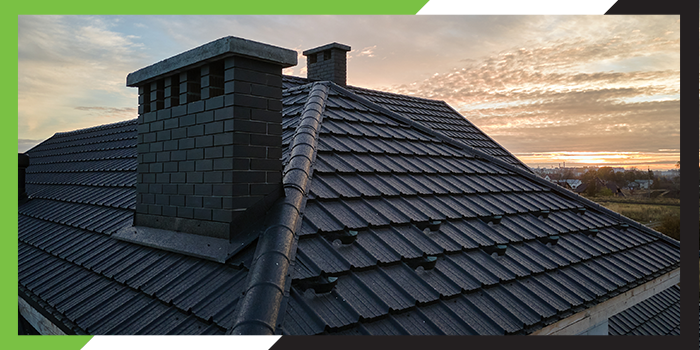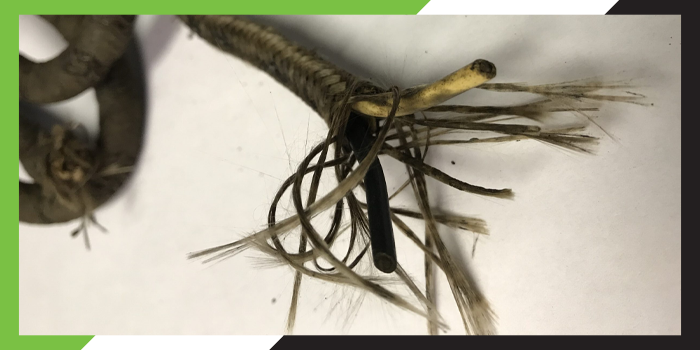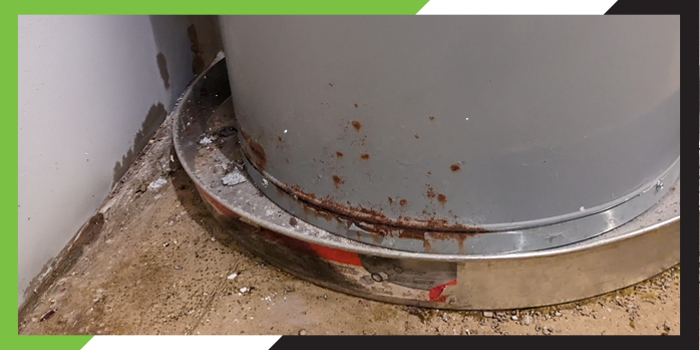
If you’re a Florida homeowner, you already painfully know that home-owners insurance isn’t cheap. Thanks…

New Construction Phase Inspections in Jacksonville, FL: Pre-Slab vs Pre-Drywall vs Final
New construction isn’t automatically “problem-free.” The smartest way to protect your investment is to inspect the home at key build milestones—pre-slab, pre-drywall, and final. Each phase catches different issues, and the earlier you find them, the easier (and cheaper) they are to fix.
Quick links:
New Construction Inspections |
11-Month Warranty Inspection |
What You Should Know |
FAQs |
Schedule
Why New Construction Phase Inspections Matter (Even With a “Good Builder”)
New homes are built by people, and people make mistakes—especially on fast timelines with multiple trades working in parallel.
Phase inspections help catch problems while they’re still visible and accessible. Once drywall goes up or finishes are installed,
many issues become harder to confirm and more expensive to correct.
If you’re building in the Jacksonville area, start here:
New Home Construction Inspections in Jacksonville.
And if you want to understand how inspections work in general, review
What You Should Know and the
BiltRite FAQs.
Want to lock in dates with your build schedule? Schedule your inspection here.
The 3 Key Phases: What Each Inspection Covers
Phase 1: Pre-Slab Inspection (Before Concrete Is Poured)
This is one of the most important inspections because once concrete is poured,
many components are no longer visible. A pre-slab inspection typically focuses on what’s installed
before the slab is placed—foundation prep and any visible pre-pour items.
- Site preparation: grading basics, obvious drainage concerns, and general readiness
- Foundation components (visible at the time): forms, reinforcement placement where accessible/observable
- Penetrations and layout basics: visible plumbing or conduit placements before they’re encased
- Red-flag conditions: anything that looks out of alignment with build plans or typical best practices
Why this phase is valuable: correcting issues pre-pour is usually far easier than after the slab is set.
Phase 2: Pre-Drywall Inspection (Before Insulation & Drywall)
If you only choose one phase inspection, many homeowners choose pre-drywall because this is when the home’s
“guts” are fully visible—framing, mechanicals, and penetrations. This is your best chance to document conditions
before walls and ceilings close.
- Framing: visible framing quality, connections, and obvious alignment issues
- Windows/doors: visible flashing or water management details (as accessible)
- Electrical rough-in: visible wiring routing and installation red flags
- Plumbing rough-in: visible supply/drain routing concerns and installation observations
- HVAC rough-in: visible ducting, returns, and condensate routing (where accessible)
- Penetrations: sealing basics around openings that can become moisture entry points
Jacksonville homes benefit from special attention to moisture management. If windows and airflow are concerns later,
this related read is useful:
Home Window Inspection & Air Flow Analysis.
Phase 3: Final Inspection (Before Closing / Before You Take Possession)
The final phase inspection helps confirm that major systems operate, finishes are installed safely, and visible issues are documented
before you close. This is the inspection many buyers think of first—but it’s strongest when paired with at least one earlier phase.
- HVAC operation: basic function and obvious performance red flags
- Plumbing fixtures: operation and visible leaks
- Electrical: representative outlets/switches, visible safety concerns, panel observations
- Interior/exterior: visible defects, safety items (rails/stairs), doors/windows basic operation
- Attic access: visible conditions where accessible at final stage
Need a baseline for how inspections work beyond new builds?
See Existing Home Inspections in Jacksonville
and browse the BiltRite Blog.
Common Issues Phase Inspections Catch (That Are Hard to “See” Later)
New construction issues aren’t always dramatic—many are small installation problems that become big headaches after move-in.
Phase inspections often help catch:
- Moisture pathways: poorly sealed penetrations, flashing concerns, drainage problems
- HVAC drainage issues: condensate routing that can cause water damage or high humidity
- Framing concerns: alignment issues or visible workmanship red flags
- Electrical issues: unsafe routing or installation concerns (where visible)
- Plumbing concerns: visible routing or installation items that should be corrected before walls close
Termites aren’t a “new construction only” issue, but moisture and wood-to-soil conditions can increase risk over time.
Related read:
Termites: Your Home Is a Ticking Time Bomb.
When to Schedule Each Phase (Simple Timing Guide)
- Pre-slab: when the site is prepared and components are staged/installed but before concrete is poured
- Pre-drywall: after rough-ins are complete but before insulation and drywall
- Final: when the home appears substantially complete but before closing / final walk-through
If you want the smoothest process, schedule early so the inspection can be coordinated with your builder timeline:
Schedule Your Inspection.
Don’t Forget the 11-Month Warranty Inspection
Even great builders can miss things—or issues can appear after you live in the home through seasons, storms, and normal settling.
That’s why an 11-Month Warranty Inspection
is one of the best “second looks” you can get while repairs may still be covered under your builder warranty.
FAQ
Do I really need a phase inspection if the home is new?
Many homeowners do one because issues are easiest to correct when the work is still accessible—especially pre-drywall.
If you have more questions about what’s included, visit the FAQs.
Which phase inspection is the most important?
If you can only choose one, many buyers choose pre-drywall because it documents framing and rough-ins before walls close.
Ideally, combining phases provides the most complete protection.
How do I coordinate inspections with my builder?
Ask for a quick heads-up when the build reaches each milestone (pre-slab, pre-drywall, and nearing completion). Then schedule accordingly:
Schedule your inspection.
Schedule Your New Construction Phase Inspection in Jacksonville
Building a home is a major investment. Phase inspections help you catch issues early, document conditions clearly, and move into your new home with confidence.
Want to explore all inspection options?
Visit Jacksonville Home Inspections or the
New Construction Inspections page.
Related Posts