If you’re a Florida homeowner, you already painfully know that home-owners insurance isn’t cheap. Thanks…

Healthy Home Checkup in Jacksonville, FL: Prevent Surprise Repairs With an Annual Inspection
A Healthy Home Checkup is an annual, maintenance-focused inspection that helps Jacksonville homeowners catch small problems early—especially moisture, HVAC drainage issues, roof wear, and safety concerns. It’s ideal if you want to protect your home, plan repairs proactively, and reduce the chance of expensive surprises.
Quick links:
Healthy Home Checkup |
All Inspection Services |
What You Should Know |
FAQs |
Schedule
What Is a Healthy Home Checkup?
A Healthy Home Checkup is a proactive inspection designed for homeowners—not just buyers. Instead of waiting until you’re selling or facing a major
repair, this type of inspection helps you identify early warning signs so you can plan repairs on your timeline (and your budget).
If you want the official service overview, start here:
Healthy Home Checkup in Jacksonville.
Why Jacksonville Homes Benefit From Annual Checkups
Florida homes deal with humidity, heavy rain, and long cooling seasons. That combination can create small issues that quietly become expensive:
slow leaks, moisture intrusion around windows/doors, and HVAC condensate drainage problems are common culprits.
- Moisture risk: humidity + rain can expose small envelope weaknesses.
- HVAC runtime: cooling systems run often, making drainage and airflow issues more likely.
- Storm exposure: wind-driven rain can accelerate roof and flashing wear.
- Pest pressure: moisture and wood-to-soil contact can invite termites and other pests.
For a deeper read on termite risk, see:
Termites: Your Home Is a Ticking Time Bomb.
What a Healthy Home Checkup Typically Covers
While every home is different, a maintenance-oriented checkup generally focuses on the systems and conditions that most often lead to
surprise repairs—especially in Jacksonville.
1) Moisture & Water Intrusion Clues
- Visible staining and water marks on ceilings/walls
- Signs of prior leaks and “repaired” areas worth monitoring
- Exterior entry points where water can intrude (penetrations, windows/doors)
- Drainage patterns near the home (where visible)
If windows are a concern (drafts, comfort issues, or visible wear), this article pairs well with a checkup:
Home Window Inspection & Air Flow Analysis.
2) HVAC Performance & Condensate Drainage
- System operation observations at the time of inspection
- Obvious airflow and comfort red flags
- Condensate drainage concerns (a frequent moisture source in Florida)
- Filter condition and basic maintenance signals
3) Roof, Attic & Ventilation Basics
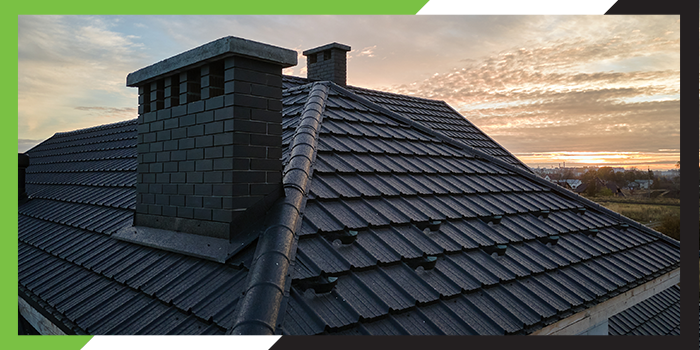
- Roof covering condition (as visible)
- Flashing and penetrations where leaks often begin
- Attic access, visible framing concerns, and ventilation observations
If your area recently had severe weather, you may also find this useful:
Home Inspection After Tornado Sightings.
4) Plumbing “Early Warning” Items
- Visible leaks at fixtures and under sinks
- Drainage performance observations
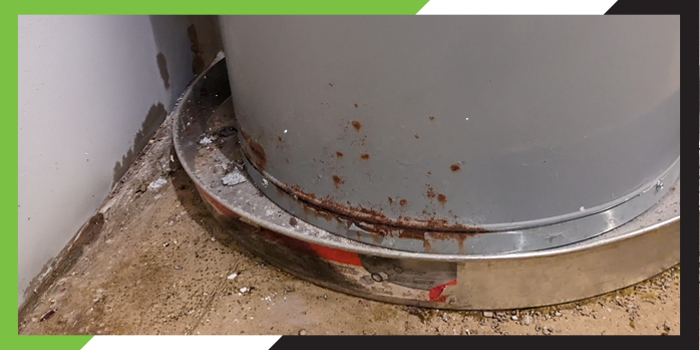
- Water heater visible condition and leakage concerns
5) Electrical & Safety Items
- Common safety hazards (where visible and accessible)
- Representative outlets/switches and basic protections (as applicable)
- Trip/fall safety items such as rails, stairs, and unsafe areas (where present)
Healthy Home Checkup vs. “Buying” Inspection: What’s the Difference?
A buyer’s inspection is transaction-driven (timelines, negotiations). A Healthy Home Checkup is maintenance-driven (prevention, planning).
Here’s a simple way to choose:
- Buying or selling an existing home? Start with
Existing Home Inspections. - Building a new home? Consider phase inspections with
New Construction Inspections. - Near your builder warranty deadline? Book an
11-Month Warranty Inspection. - Need documentation for your carrier? Use
Homeowner’s Insurance Inspection. - Want proactive prevention and planning? Choose
Healthy Home Checkup.
When Should You Schedule a Healthy Home Checkup?
A simple rule: schedule it at a time you’ll actually remember every year. Many homeowners pick a “maintenance month”
and repeat annually.
- Before hurricane season: identify roof/drainage vulnerabilities early.
- After a big storm: confirm no new moisture intrusion or damage.
- Before listing the home: fix small issues before they become buyer objections.
- Any time you notice: new stains, musty odors, higher humidity, or comfort changes.
Common “Small Issues” That Become Expensive If Ignored
- Slow leaks under sinks or around toilets that damage subflooring
- HVAC condensate drainage issues that create recurring moisture
- Roof flashing wear that turns into interior staining
- Drainage that pushes water toward the home over time
- Loose rails/deck issues that become safety concerns (and liability)
Want more homeowner guidance? Browse the BiltRite Blog.
FAQ
Is a Healthy Home Checkup the same as a buyer’s inspection?
It’s similar in the sense that major systems and visible components are reviewed, but the purpose is different.
A checkup is about prevention and planning, not negotiating a transaction.
How long does a Healthy Home Checkup take?
Timing depends on the home’s size, age, and accessibility. The best way to keep things efficient is to ensure access
to the attic/crawlspace, electrical panel, HVAC equipment, and water heater.
What if the checkup finds something concerning?
You’ll typically see clear notes and recommended next steps. When deeper evaluation is needed, it’s common to recommend
a licensed specialist for confirmation and repair scope.
More common questions are answered here:
BiltRite FAQs.
Schedule Your Healthy Home Checkup in Jacksonville
If you want fewer surprises and a clearer plan for keeping your home in great shape, a Healthy Home Checkup is a smart move.
You can also explore all services here:
Jacksonville Home Inspections.
Related Posts