If you’re a Florida homeowner, you already painfully know that home-owners insurance isn’t cheap. Thanks…

How to Read a Home Inspection Report (Jacksonville, FL): What Matters Most
How to Read a Home Inspection Report (Jacksonville, FL): What Matters Most
TL;DR: Don’t treat your inspection report like a long “to-do list.” Focus first on safety, then major system risk (roof, HVAC, plumbing, electrical), then moisture/drainage, and finally routine maintenance. This guide helps you decide what to negotiate, what to monitor, and when to bring in a specialist.
Quick links:
Existing Home Inspections |
What You Should Know |
FAQs |
Blog |
Schedule
Why Most Buyers Misread Inspection Reports
A home inspection report is designed to document the condition of visible and accessible components. It’s normal for a report to include
many notes—even on well-maintained homes. The goal isn’t perfection; the goal is clarity.
If you’re early in the process, start with What You Should Know and the
BiltRite FAQs so you know how to interpret common language and limitations.
Need an inspection booked? Schedule your inspection here.
How to Prioritize Findings: The 4-Bucket Method
Use this simple method to sort the report quickly and make smarter decisions with your agent or contractor.
Bucket 1: Safety Issues (Highest Priority)
These are items that could create immediate hazards or liability. Examples include:
- Electrical safety concerns (exposed wiring, improper connections, missing protections where required)
- Gas-related concerns (when applicable)
- Trip/fall hazards (rails, stairs, unsafe decking, missing guards)
- Active leaks that can lead to electrical or structural damage
Bucket 2: Major System Risk (Roof / HVAC / Plumbing / Electrical)
This is where the biggest surprise costs usually live. Pay close attention to:
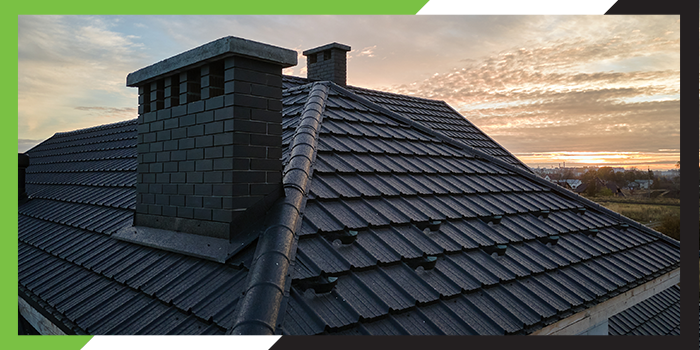
- Roof: aging, damaged materials, compromised flashing, signs of leaks
- HVAC: performance red flags, drainage/condensate issues, deferred maintenance
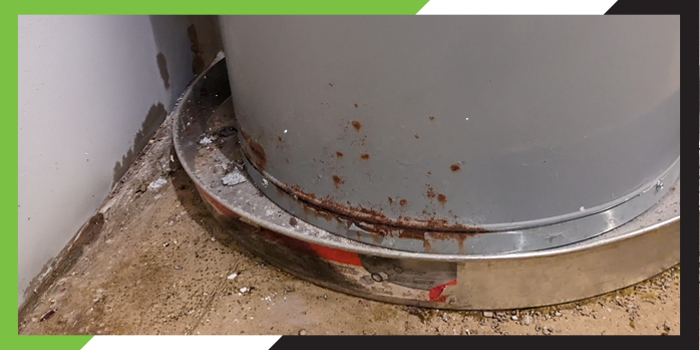
- Plumbing: visible leaks, drainage issues, water heater concerns
- Electrical: panel concerns, unsafe modifications, widespread outlet issues
If you’re purchasing a resale property, this inspection is the starting point:
Existing Home Inspections in Jacksonville.
Bucket 3: Moisture, Drainage, and Building Envelope (Common in Florida)
In Jacksonville, moisture-related issues often become the “silent budget busters.” Look for patterns like staining,
musty odors, and repeated notes around windows, doors, exterior penetrations, and HVAC condensate drainage.
- Interior staining or elevated moisture concerns (where observed)
- Exterior grading/drainage that directs water toward the home
- Window/door seal and flashing concerns
- Attic ventilation observations that can contribute to moisture problems
If windows and comfort are a concern, this article is helpful:
Home Window Inspection & Air Flow Analysis.
Bucket 4: Maintenance & Minor Repairs (Lowest Priority, Still Useful)
This is the “homeownership list”—caulk, filters, small adjustments, minor cosmetic items. Don’t ignore it,
but don’t let it distract you from Buckets 1–3.
If you want a proactive maintenance-focused inspection instead of a transaction-driven one, consider:
Healthy Home Checkup.
What to Negotiate vs. What to Accept
Not every finding should become a repair request. A smart approach:
Usually Worth Negotiating (Case-by-Case)
- Active leaks or evidence of ongoing water intrusion
- Electrical safety hazards
- Roof issues with credible leak risk or major remaining-life concerns
- HVAC issues affecting function, drainage, or safety
- Plumbing defects likely to worsen or cause damage
Often “Buyer-Owned” Maintenance
- Cosmetic wear and tear
- Minor caulking, paint touchups, loose hardware
- Items disclosed and priced into the deal (depending on contract strategy)
If your report includes many questions, browse the FAQs
or explore more guides on the BiltRite Blog.
When a Specialist Is Recommended (And Why That’s Normal)
Inspectors often recommend licensed specialists when something needs deeper evaluation beyond a visual inspection.
That’s not a “bad report”—it’s a smart next step that helps you confirm scope and cost.
- Roofing contractor: suspected leaks, flashing concerns, or advanced wear
- HVAC contractor: performance issues, condensate drainage concerns, system age questions
- Licensed electrician: panel/wiring defects or safety hazards
- Licensed plumber: recurring leaks, drainage problems, water heater concerns
Not All Reports Are the Same: Choose the Right Inspection Type
Make sure you’re booking the inspection that matches your situation:
- Buying/selling a resale home: Existing Home Inspections
- Building new: New Construction Inspections
- Near your builder warranty deadline: 11-Month Warranty Inspection
- Insurance documentation needs: Homeowner’s Insurance Inspection
- Commercial property due diligence: Commercial Building Inspections
FAQ
Do inspection reports mean the home “passed” or “failed”?
No—home inspections typically don’t “pass/fail.” The report documents conditions and helps you prioritize risks and next steps.
More common questions are covered here: BiltRite FAQs.
What are the most expensive issues to watch for?
It varies, but the biggest budget items often involve roof repairs, HVAC replacement, significant plumbing leaks, major electrical defects,
and moisture-related damage that has been ongoing.
Should I be worried if the report is long?
Not necessarily. A long report often reflects thorough documentation. Use the 4-bucket method above to focus on what matters most.
Schedule Your Jacksonville Home Inspection
Want clear priorities, not confusion? We’ll help you understand what matters, what’s maintenance, and what needs follow-up.
Want to learn more about BiltRite? Visit About or browse more articles in the
Blog.
Related Posts